
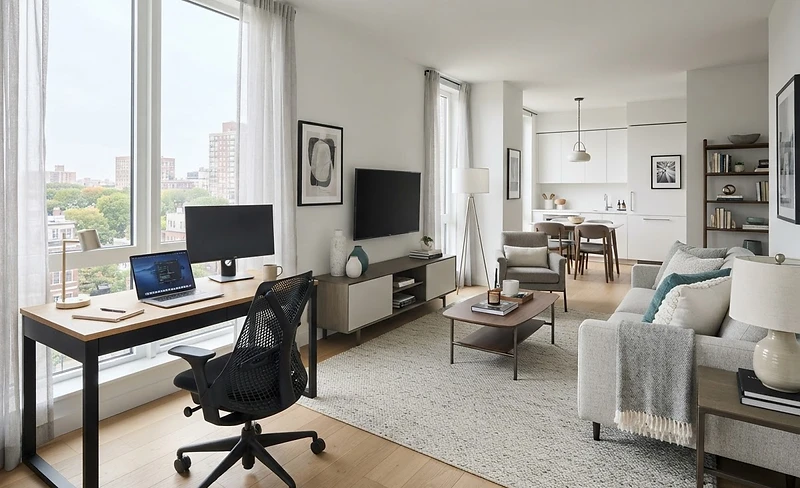

The quiet strategic asset.
For a property you already hold, mid-term rentals are a different engine — fewer turnovers, near-full occupancy at a flat monthly rate, and stays that typically fall outside short-term rental licensing. It's not a separate funnel. It's an option for the right door.
Who It Serves
Three demand sources, one Searcy market.
Mid-term isn't a niche — it's the highest-contribution product we offer, and the one growth path Searcy's small short-term pool can't cap.
Unity Health travel nurses
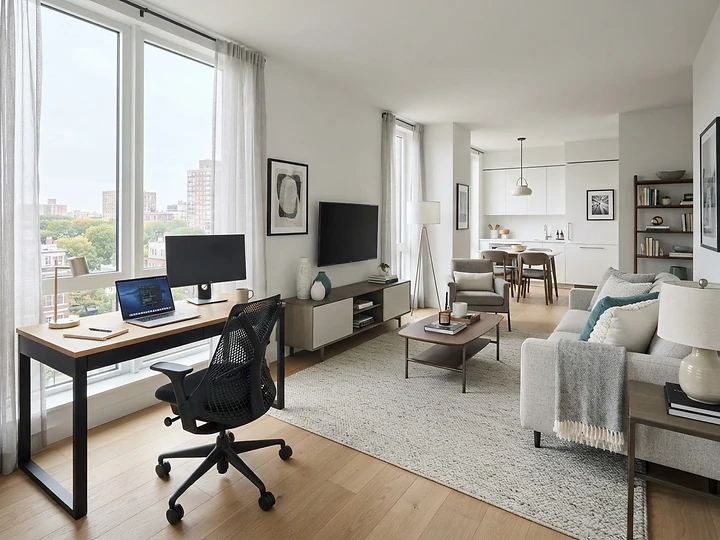
Rotating clinical staff who need a clean, quiet, furnished place for a 13-week contract. Reliable income, professional guests.
Visiting Harding faculty & grad students
Faculty on sabbatical and graduate students needing housing for a semester or two — furnished, flexible, close to campus.
Insurance displacement demand
Families displaced by fire or flood whose insurer covers 30+ days of furnished housing. Steady, well-funded stays.
Why It Works
Fewer fires. Flat revenue.
Mid-term flips the short-term trade-off: less operational drag, more predictable income. For the right property, it's the better business.
Fewer turnovers
A 30-day stay is one turnover, not thirty. Less cleaning, less wear, less coordination — and lower operating cost per door.
Near-full occupancy
Mid-term demand in Searcy is steady and underserved. Flat monthly rates mean predictable revenue, not nightly gambling.
Licensing advantage
30+ day stays typically fall outside short-term rental licensing in Arkansas — fewer regulatory hurdles, fewer fees.
Short-term or mid-term? It depends on the door.
Some properties earn more as nightly rentals tuned to the Harding calendar. Others — especially those near Unity Health or campus — perform better as mid-term. The assessment tells you which, and we run whichever wins. Not sure is a valid answer.